East Finchley station upholstery cleaning tips
Posted on 18/06/2026

East Finchley station upholstery cleaning tips: a practical local guide for cleaner, fresher furniture
If you live, work, or rent near the station, upholstery can pick up grime faster than you'd expect. Commuter dust, damp coats, takeaway spills, pet hair, and the general stop-start rhythm of a busy London week all leave a mark. These East Finchley station upholstery cleaning tips are written to help you keep sofas, armchairs, dining chairs, and other fabric furnishings looking good without making avoidable mistakes. Whether you are dealing with a small mark after the morning rush or planning a deeper refresh before guests arrive, the right approach saves time, protects fibres, and usually gives better results. Let's face it, nobody wants a sofa that smells faintly of old coffee on a rainy Tuesday.
Below, you'll find a clear, local-first guide covering what to do, what to avoid, and when it makes sense to bring in a professional. If you are also thinking about a broader clean-up at home, you may find our spring cleaning advice for Finchley homes useful alongside this article.
- Why these upholstery cleaning tips matter
- How the cleaning process works
- Key benefits and practical advantages
- Who this guide is for
- Step-by-step guidance
- Expert tips for better results
- Common mistakes to avoid
- Tools, resources and recommendations
- Law, compliance, standards, or best practice
- Options, methods, or comparison table
- Case study or real-world example
- Practical checklist
- Conclusion
- Frequently asked questions
Why East Finchley station upholstery cleaning tips Matters
Upholstery close to a station tends to age in a slightly different way from furniture in a quieter setting. It is not just about visible stains. Fine dust settles into seat fibres, particles get ground in by movement, and moisture from umbrellas or damp clothing can create that stale, slightly musty feeling over time. You notice it most when the light hits the fabric in the afternoon, or when you sit down after a long commute and realise the chair just doesn't feel fresh anymore.
There is also the practical side. Clean upholstery lasts longer because dirt acts like tiny abrasive grit. Every time someone sits down, those particles rub against fibres and wear them down a bit more. A sensible cleaning routine helps preserve texture, colour, and overall comfort. That matters whether the item is a family sofa, a rental property staple, or a favourite reading chair that has seen one too many tea cups nearby.
For local households and small businesses, the stakes can be a little different. A waiting area sofa, a consultancy chair, or a lounge set in a rental property all leave impressions. If the fabric looks clean and smells neutral, the whole room feels better. If not, well, people notice. Quickly.
How East Finchley station upholstery cleaning tips Works
Good upholstery cleaning is mostly about matching the method to the fabric and the level of soil. That sounds simple, but it is where many people go wrong. A cotton blend, a wool-rich fabric, velvet, faux leather, and performance upholstery all behave differently. The same cleaner or technique can be fine on one surface and a disaster on another.
The basic process usually follows the same broad pattern:
- Inspect the fabric. Check the care label, test colourfastness in a hidden spot, and identify the material where possible.
- Remove loose debris. Vacuum thoroughly using an upholstery attachment and pay attention to seams, creases, and under cushions.
- Treat marks carefully. Spot-clean the stain type rather than scrubbing the whole area blindly. Grease, drink spills, and mud each need a different touch.
- Use the right amount of moisture. Over-wetting is one of the easiest ways to create water rings, slow drying, or hidden odours later on.
- Extract and dry properly. The aim is to lift soil out of the fabric and leave it dry enough to resist mildew and resoiling.
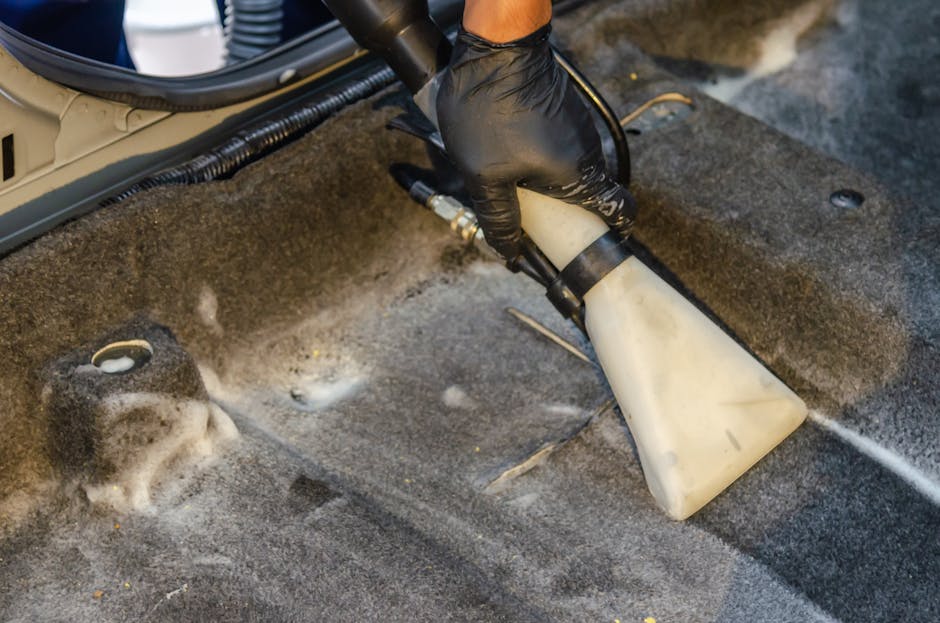
In a professional setting, methods often include hot water extraction, low-moisture cleaning, foam-based treatment, or specialised fabric-safe spot treatment. Home cleaning can still work well for maintenance, as long as you stay patient and don't rush the drying. Honestly, drying is half the battle. Probably more than half.
If you are comparing services or trying to understand the bigger picture, our upholstery cleaning Finchley service page gives a useful overview of what a more thorough clean typically involves.
Key Benefits and Practical Advantages
There is a very real difference between furniture that is merely tidy and furniture that has been properly cleaned. The benefits are not just cosmetic.
- Better appearance: Fabrics look brighter, flatter, and more even in colour.
- Improved freshness: Odours from food, smoke, pets, or daily use are reduced.
- Longer fabric life: Removing embedded dirt helps reduce wear over time.
- Healthier indoor feel: Regular cleaning can cut down on dust and allergens trapped in fibres.
- Stronger first impressions: This matters in homes, rentals, offices, and guest areas alike.
There is also a psychological effect people rarely mention. A freshly cleaned sofa or armchair can make the whole room feel less cluttered and more rested. You sit down, exhale, and the place just feels more looked after. Small thing, but not really small.
For landlords and property owners, the practical upside is clear too: cleaner upholstery can make a property easier to present well between tenancies or before a viewing. If you are working through a broader upkeep plan, our deep cleaning Finchley guide is a sensible companion read.
Who This Is For and When It Makes Sense
This guide is for anyone near East Finchley station who wants better-looking upholstery without guesswork. That includes busy households, renters, landlords, homeowners, and local office managers. It also helps if you entertain often, have children, or simply use your furniture properly instead of treating it like a museum piece.
It makes sense to clean upholstery when you notice:
- visible marks or patchy dullness
- a lingering smell after spills or wet weather
- pet hair or dust that keeps returning
- a sofa that looks tired even after vacuuming
- fabric that feels sticky or rough to the touch
It also makes sense before a big event, after a renovation, or when moving in or out of a property. If you are in the middle of a broader transition, our end of tenancy cleaning Finchley page may be helpful for coordinating the bigger job.
Truth be told, some pieces just need light upkeep, while others are begging for a proper reset. The trick is recognising which is which.
Step-by-Step Guidance
Here is a practical way to clean upholstery safely at home before deciding whether you need more help.
1. Start with the care label
Look for the manufacturer's cleaning code where available. In plain English, this usually tells you whether the fabric can tolerate water-based cleaning, solvent-based cleaning, or only specialist treatment. If there is no label, treat the fabric cautiously and test first.
2. Vacuum slowly and thoroughly
Use a clean upholstery attachment and work in overlapping passes. Get into seams, underneath cushions, and along the back where dust loves to gather. If crumbs have been there for a while, you may need to lift the cushion and tap it gently before vacuuming again. Not glamorous, but effective.
3. Identify the stain type
Not every stain is the same. A tea spill, oily food mark, muddy footprint, and ink mark will all respond differently. If you use the wrong cleaner straight away, you can spread the stain or set it deeper into the fibres.
4. Blot, don't rub
Use a white cloth or plain paper towel and press gently. Rubbing frays fibres and can push the stain outward. A little patience here saves a lot of regret later.
5. Apply cleaning solution sparingly
Whether you are using a mild upholstery cleaner or a small amount of diluted solution, keep it controlled. Damp the area lightly. Do not soak the cushion because then drying becomes the whole problem.
6. Rinse or extract if needed
If the product instructions call for rinsing, use as little clean water as possible and lift the residue out again. Residue left behind can attract dirt, which means the fabric looks dirty again sooner. Bit unfair, but that is how it goes.
7. Dry the fabric properly
Open windows where practical, use gentle airflow, and keep cushions spaced apart. Avoid direct heat on delicate fabrics. If you can still feel dampness deep in the cushion, leave it alone a bit longer. That extra waiting time matters.
Expert Tips for Better Results
These are the sorts of small adjustments that make a big difference.
- Always test first. A hidden patch can save an entire chair.
- Use white cloths. Coloured cloths can transfer dye, especially when damp.
- Work from the outside in. This helps stop stain spread and tide marks.
- Clean around the stain too. Feather the edge so you do not leave a hard cleaning line.
- Lift cushions during drying. Airflow underneath helps prevent trapped moisture.
- Freshen fabric regularly. A weekly vacuum is often better than occasional heroic cleaning.
One local habit worth adopting: after a wet commute, don't toss damp coats and bags directly onto upholstered furniture. It sounds obvious. Yet on a dark evening in winter, it happens all the time. A little moisture and street grit can do more damage than people expect.
If you are interested in keeping other soft furnishings in good shape too, our article on gentle care for velvet curtains covers the sort of delicate handling that also helps with certain upholstery fabrics.
Common Mistakes to Avoid
Most upholstery damage does not happen because people do nothing. It happens because they act quickly with the wrong method.
- Scrubbing hard: This can distort the pile and make the mark worse.
- Using too much water: Over-wetting leads to slow drying, water rings, and possible odours.
- Skipping a colour test: Some fabrics bleed or fade when cleaned incorrectly.
- Using the wrong product: A cleaner meant for one material may harm another.
- Forgetting the frame and creases: Dirt in seams tends to migrate back onto clean areas.
- Rushing drying: A sofa that still feels damp is not finished, however tempting it is to call it done.
One more thing: if the item has a delicate texture, such as velvet or a brushed weave, don't make it your experimental test piece. Be kind to the fabric. It is trying its best.
Tools, Resources and Recommendations
You do not need a mountain of gear to maintain upholstery properly. In most homes, a modest toolkit is enough.
| Tool or item | Why it helps | Best used for |
|---|---|---|
| Upholstery vacuum attachment | Removes surface dust and crumbs without damaging fabric | Weekly maintenance |
| White microfibre cloths | Good absorbency and lower dye-transfer risk | Spot cleaning and blotting |
| Soft brush | Lifts soil from textured fabrics gently | Dry brushing before vacuuming |
| Mild upholstery cleaner | Can help with light stains if the fabric permits | Careful spot treatment |
| Fan or open-window airflow | Speeds drying without harsh heat | After wet cleaning |
If you are unsure which approach suits your furniture, it can be worth looking at professional options rather than gambling with a bottle from the cupboard. Our services overview can help you understand how different cleaning needs are usually grouped.
Also, if the job is part of a bigger household reset, you may want to review one-off cleaning in Finchley to see how upholstery care fits into a larger clean.
Law, Compliance, Standards, or Best Practice
For a topic like upholstery cleaning, the main compliance issue is usually not a law with exact household rules. It is more about safe handling, reasonable care, and following product instructions correctly. In commercial settings, there may also be health and safety expectations around cleaning chemicals, ventilation, and slip hazards from damp floors.
Best practice in the UK typically means:
- reading care labels before using any cleaning method
- keeping products stored safely and out of children's reach
- working with adequate ventilation
- avoiding strong solvents on unknown fabrics
- using appropriate protective measures where chemicals are involved
- making sure furniture is dry before normal use resumes
If cleaning is being done in a workplace, rental property, or shared environment, it is sensible to think about risk and insurance as well. Wet upholstery can create slips, and incorrect chemical use can create unwanted damage. For readers who want to understand how a provider approaches this side of the work, our insurance and safety information is a good reference point.
We also suggest checking the relevant paperwork and service terms if you are booking a professional clean. The details matter, and nobody enjoys confusion later on. If you want to see how this is handled, you can review the terms and conditions and the payment and security information.
Options, Methods, or Comparison Table
Different cleaning methods suit different situations. Here is a simple comparison to help you decide what is most sensible.
| Method | Best for | Pros | Watch out for |
|---|---|---|---|
| Vacuuming and light maintenance | Routine upkeep and dust control | Fast, gentle, low risk | Won't remove deep stains |
| Home spot cleaning | Small fresh spills | Cheap and immediate | Can spread stains if overdone |
| Low-moisture cleaning | Sensible refresh on many fabrics | Shorter drying time | Needs correct product choice |
| Hot water extraction | Heavier soil on suitable fabrics | Deep soil removal | Too much moisture for delicate materials |
| Professional specialist treatment | Delicate, expensive, or badly soiled items | Best chance of safe, even results | May take longer to arrange |
For many households, a combination approach works best: regular vacuuming, careful spot treatment, and periodic professional cleaning. Simple, really. Not always easy, but simple.

Case Study or Real-World Example
Picture a small flat near East Finchley station. The living room sofa is light grey, which looked lovely in the shop and still looks lovely, most days. Over a few months, though, it picked up a tea ring on one cushion, a dull patch where people always sit, and a faint damp smell after a run of rainy evenings.
The owner started with the basics: a careful vacuum, a stain test on a hidden edge, and light blotting rather than scrubbing. The tea mark lifted a little, but the seat still looked uneven. At that point, the smarter move was to stop and avoid making it worse. A professional clean would be more appropriate because the fabric had mixed staining, a noticeable wear pattern, and a slight odour that sat deeper in the cushion.
That is a good example of knowing when home effort is enough and when it is better to step back. You do not have to conquer every mark yourself. Sometimes the sensible decision is to preserve the fabric and stop poking at it. There is no prize for overconfidence.
The owner also changed a few habits afterwards: coats stopped being flung onto the sofa, vacuuming became weekly, and drinks moved to the side table instead of the armrest. Small changes, surprisingly useful.
Practical Checklist
Use this before, during, or after cleaning upholstery near East Finchley station.
- Check the care label or fabric type first
- Test any product on a hidden area
- Vacuum seams, cushions, and under edges
- Blot spills with a clean white cloth
- Use minimal moisture on delicate fabric
- Allow enough drying time before use
- Keep pets and children away from damp fabric
- Reassess stains before repeating a treatment
- Book expert help for large, old, or delicate items
- Build upholstery care into your regular cleaning routine
Expert summary: the safest upholstery cleaning is usually the least dramatic one. Vacuum well, test first, use only the amount of moisture the fabric can handle, and dry thoroughly. That approach protects the furniture and usually gives the most reliable finish. If you want broader help with keeping the whole property in shape, our domestic cleaning Finchley page may be worth a look.
Conclusion
Good upholstery care near East Finchley station is not about perfection. It is about consistency, caution, and knowing which job you can sensibly handle yourself. With the right routine, you can keep everyday dirt from taking hold, deal with small marks before they become a headache, and extend the life of your chairs and sofas without making the fabric suffer in the process.
The big takeaway? Match the method to the material, avoid soaking the fabric, and do not underestimate the value of proper drying. That alone solves a surprising number of problems. And if a piece is expensive, delicate, or already deeply marked, asking for professional help is not an admission of defeat. It is just good judgement, plain and simple.
For readers who want a broader clean that covers more than just the sofa, you may also find our about us page helpful if you are checking who is behind the service, or browse the blog for more local cleaning guidance. If you are planning a full refresh, especially before guests, a move, or a seasonal reset, the right support can make the whole place feel lighter. And that's a nice feeling to come home to.
Get a free quote today and see how much you can save.


